A supply line lets go at midnight, the crawlspace fills in a November storm, the water heater gives up on a Sunday — water doesn’t wait for business hours, and neither does this line. A person answers around the clock, extraction starts fast, and the drying plan is in writing before the equipment comes in. From West Salem to Silverton — that’s the whole map.
Whether it’s an inch in the laundry room or a basement that’s become a pond, these three moves keep a bad night from becoming a gutted first floor.
If it’s a burst line or failed appliance, close the main shutoff — usually at the meter box out front or where the line enters the house. If water is near outlets or the panel, kill the power to that area first. Roof leak or rising groundwater? Skip to step two.
Describe what you see — where the water is, how deep, how long it’s been there. A person answers 24/7 and dispatch starts on the call, not in a callback queue. Photos help the crew load the right equipment before rolling.
The crew pulls the standing water, maps the moisture into walls and subfloor, and sets drying equipment to measured targets. You approve a written scope first — and the documentation your insurer will ask for is built as we go.
From the burst pipe at midnight to the moldy crawlspace in March — if water is where it shouldn’t be in your Salem home, this is the call.
Standing water out fast — truck-mounted and portable extraction for basements, crawlspaces, and living areas, any hour.
Learn moreThe full reset after a flood: debris out, surfaces cleaned and sanitized, and the structure prepped for drying.
Learn moreContainment, removal, and treatment for the mold that Willamette Valley winters feed — plus the moisture fix that keeps it gone.
Learn moreCategory-3 backups handled as the health hazard they are — extraction, sanitizing, and safe disposal, start to finish.
Learn moreWind-driven rain, roof leaks, and saturated walls after a valley storm — dried, repaired, and put back right.
Learn moreMeasured drying with air movers and dehumidifiers, tracked to moisture targets — not just fans left running.
Learn moreFrozen and burst lines from the winter snaps — shutoff guidance on the call, then repair and drying in one visit.
Learn moreNovember-to-March rain that never quite stops, a river with a long memory, polar snaps out of the Gorge that split pipes overnight, and crawlspaces that stay damp till June — the work fits the weather your house actually lives in.
Written, itemized, and approved by you before drying starts — and the number doesn’t move mid-job. No surprises hiding in the invoice.
Moisture readings in the walls and subfloor decide when equipment comes out — not a calendar. Fans left running past dry are a bill, not a service.
Photos, moisture logs, and an itemized scope your adjuster can actually use — built into every job from the first hour.
The phone is answered around the clock, every day of the year — because pipes burst on the coldest night of the snap, not Tuesday at ten.
Salem plus Keizer, Dallas, Independence, Monmouth, Stayton, Silverton, Turner, and Woodburn — same standard everywhere on the map.
Days is what proper structural drying takes in most valley homes — measured to moisture targets, with the equipment pulled the moment the numbers say dry.
Extraction, cleanup, mold, drying, and the 2 a.m. burst pipe — one number carries the whole job, and the scope goes in writing before work starts.
Salem plus eight mid-valley towns — from the foursquares near Bush’s Pasture Park to the ranch homes of Keizer, the river towns of Independence and Monmouth, and the berry-country streets out toward Silverton and Woodburn. If it’s in the mid-valley, it’s on the route.
What Willamette rain, hard freezes, and a thousand wet crawlspaces keep teaching us.
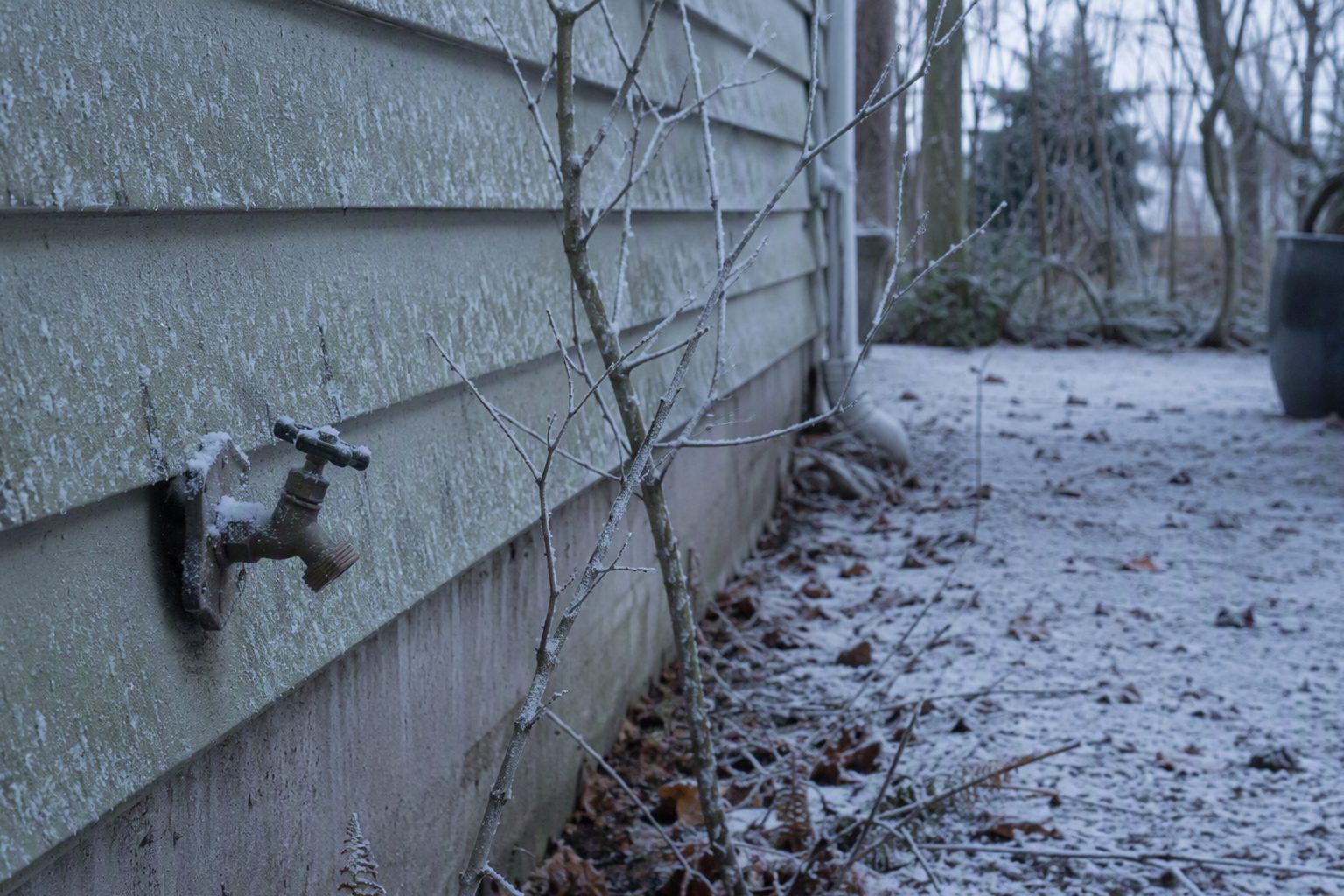
When a polar snap pours out of the Gorge, valley pipes pay for it — the cold-night routine that keeps yours intact.
Read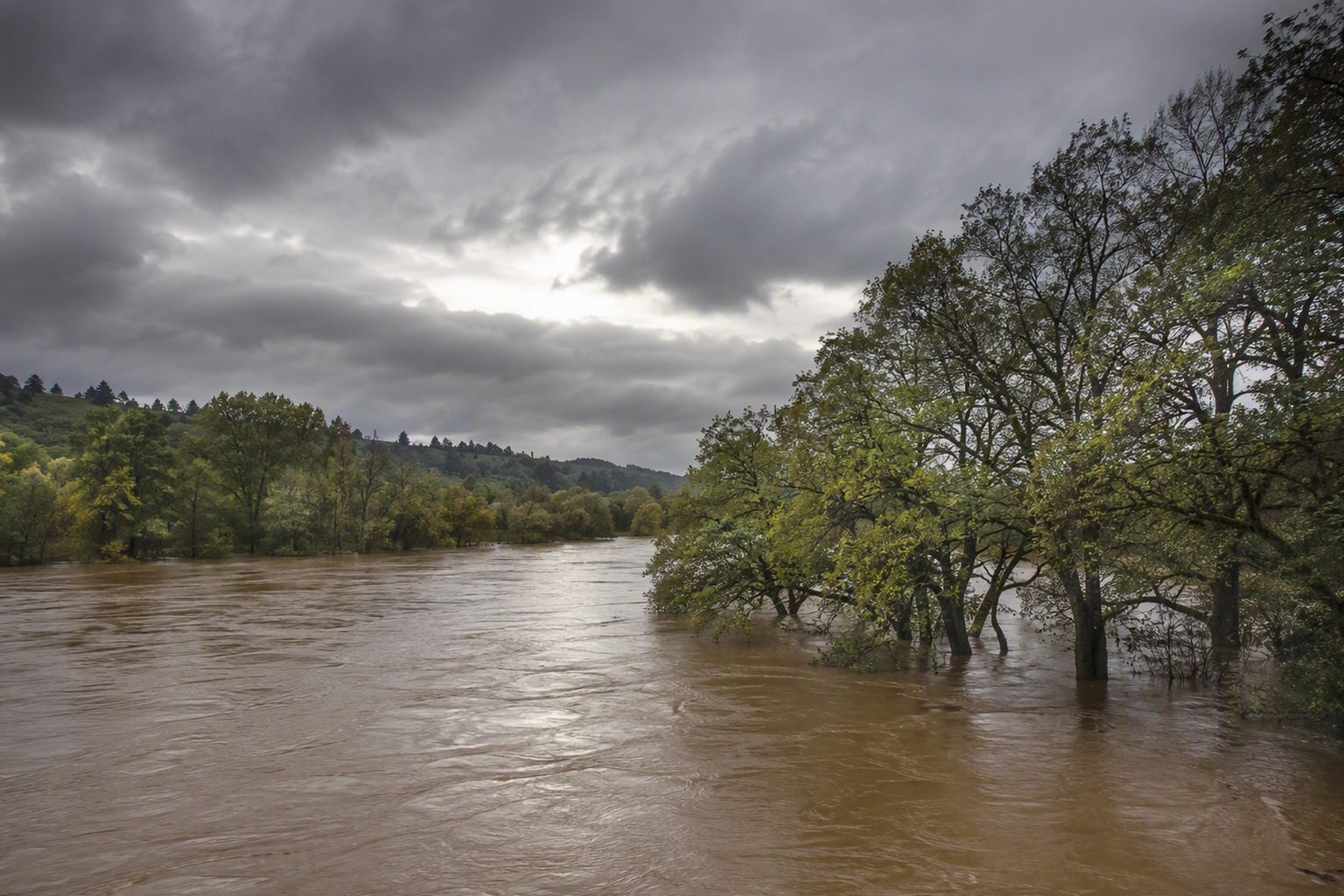
The river has flooded this valley before and will again — what high water means for your crawlspace, and the prep that matters.
Read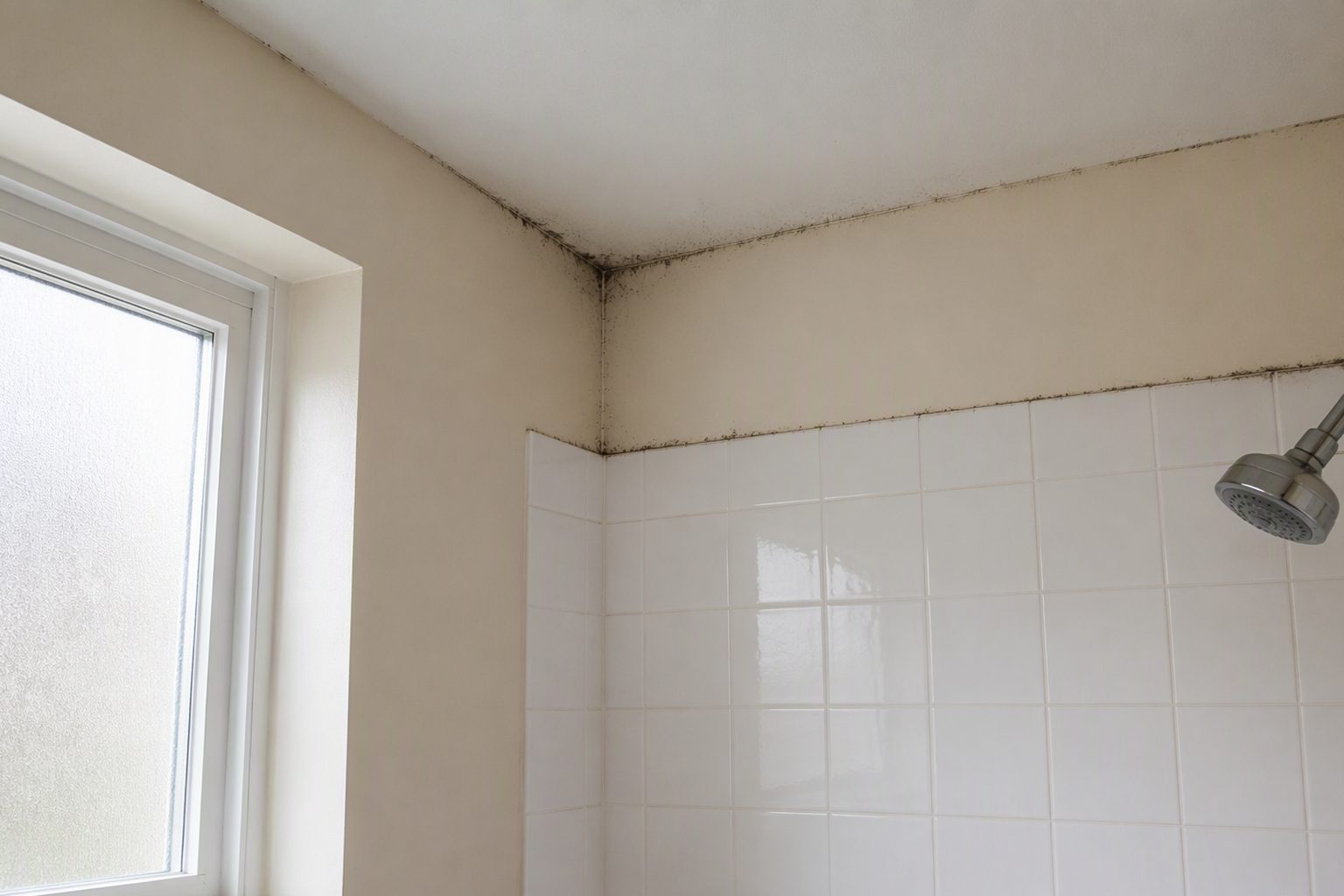
Summer-dry Oregon still grows winter mold — the valley moisture cycle behind it, and where to look first.
Read24/7 dispatch across the mid-valley — extraction first, drying measured, scope in writing before work starts.